I design clear, scalable digital products—turning complex problems into usable systems across web and mobile.
View WorkWith 9 years of experience designing digital products, I’ve worked across the full product lifecycle—from early discovery and research to interaction design and delivery.
I focus on making complex systems feel simple by prioritizing clarity, intentional tradeoffs, and close collaboration with product and engineering teams.
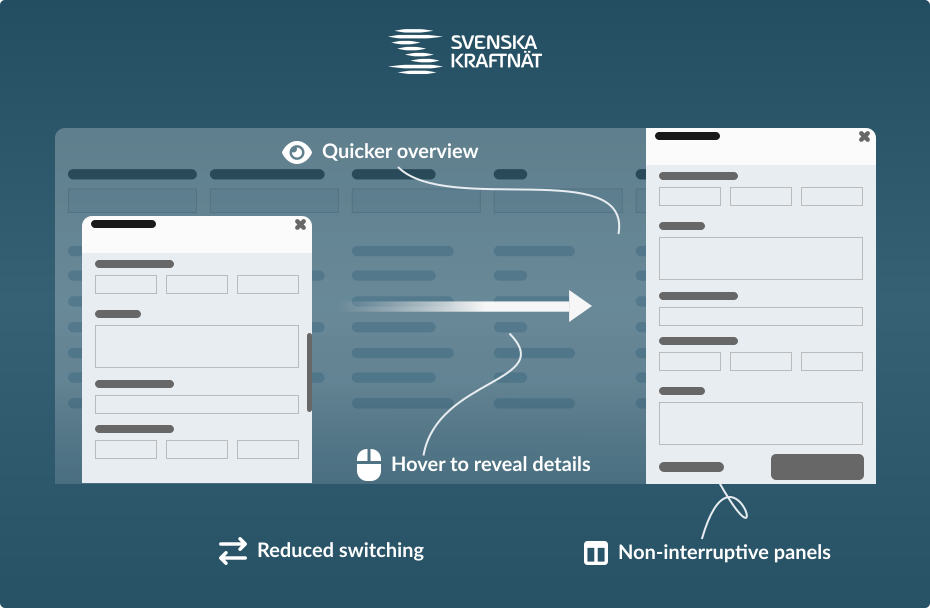
Designing a mission-critical monitoring system used by operators to analyze outages and make time-sensitive decisions in Sweden’s national power grid.
Client: Swedish National Grid
Government service tool for assessing jobseeker skills and preferences
Client: Swedish Employment Service
This project is actively being built and refined.
While the full case study isn’t published yet, I’m happy to walk through the thinking, early decisions, and direction so far.






Get in touch to discuss product, design, or collaboration.
Let’s talk →Svenska Kraftnät operates Sweden’s national power grid. I lead UX, UI, and workflow design for the Center of Operations tool, improving a data-heavy system used daily by ~20 operators. This project focused on enhancing decision-making, reducing cognitive load, and ensuring mission-critical outage monitoring is efficient and reliable.
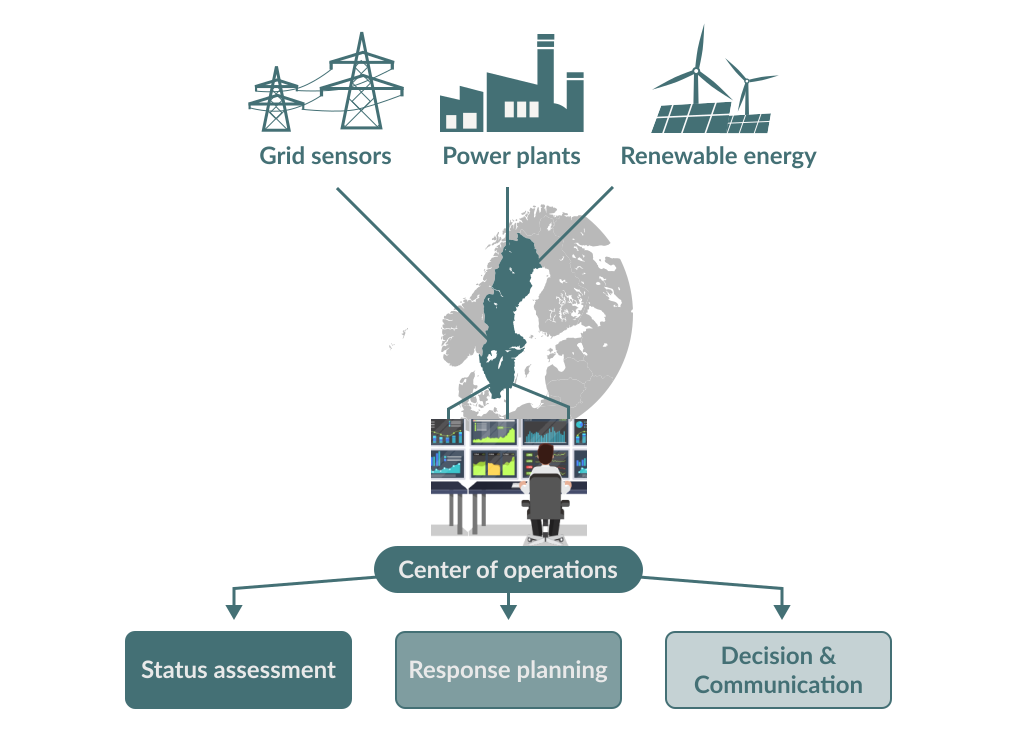
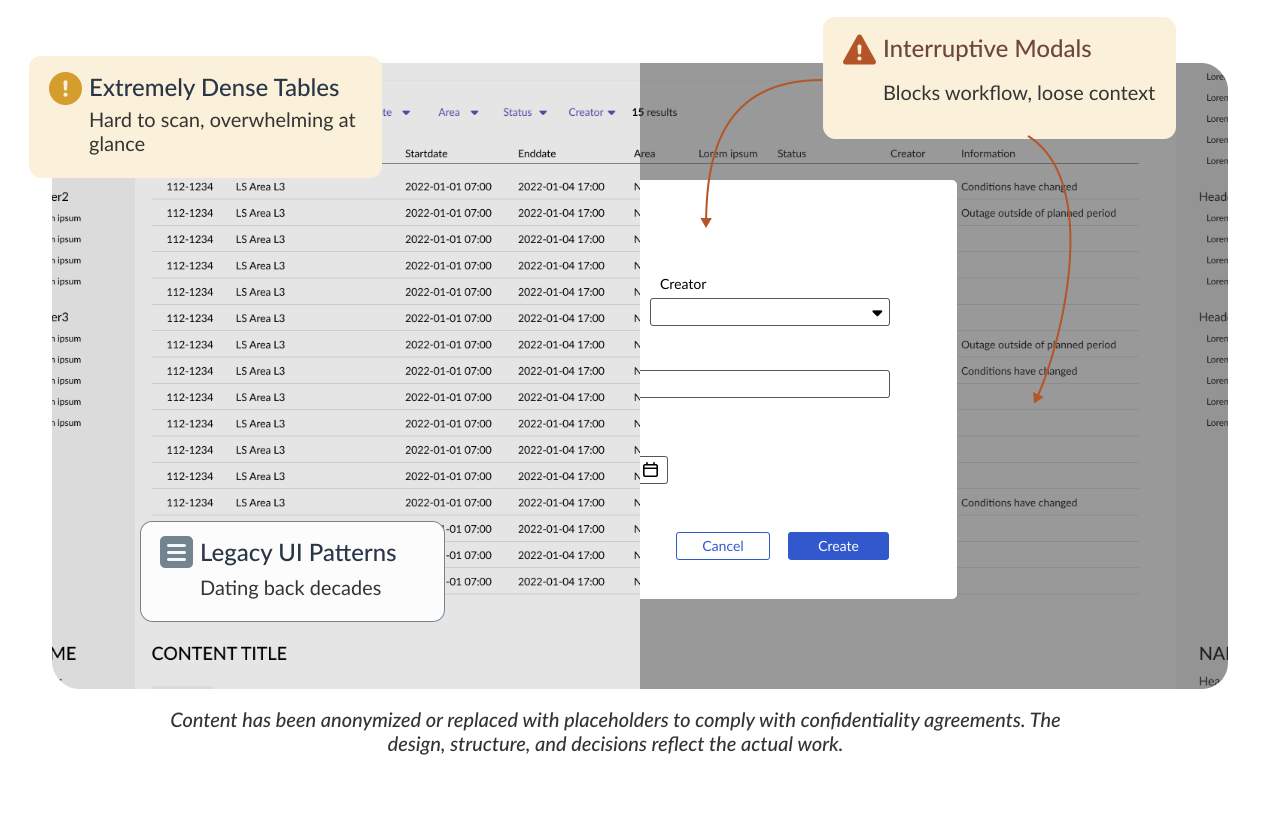
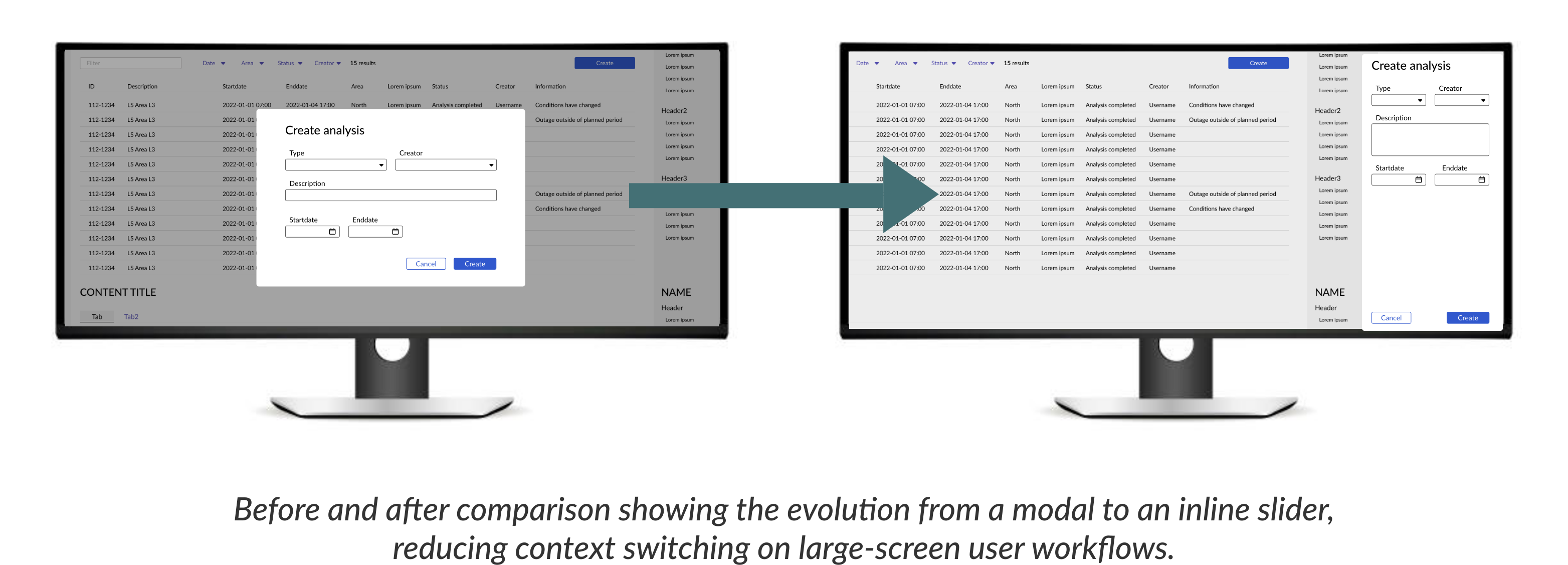
Operators spend significant time parsing tables and navigating modal dialogs, which interrupts flow and reduces focus on urgent issues. Simplifying visual hierarchy and creating progressive disclosure allows operators to act faster with less cognitive load.


As the work matured, it became clear that many of the UX issues were systemic rather than isolated to a single interface. Addressing them sustainably required alignment beyond this product.
I initiated and led discussions around introducing a design system tailored to long-lived, data-heavy government platforms. This included defining design principles, interaction patterns, accessibility standards, and component behaviors grounded in the operational needs of the control center.
To support feasibility and adoption, I worked closely with engineering to map design decisions to implementation, including outlining a path from design to reusable web components (Stencil.js) and estimating costs in both development time and maintenance.
To validate organizational need, I designed and conducted an internal survey across designers and developers to assess pain points, readiness, and perceived value. The findings were used to prioritize scope, align expectations, and support leadership decision-making around governance and rollout.
This work established a foundation for scalable UX quality, reduced design and development duplication, and enabled more consistent decision-making across teams and future systems.
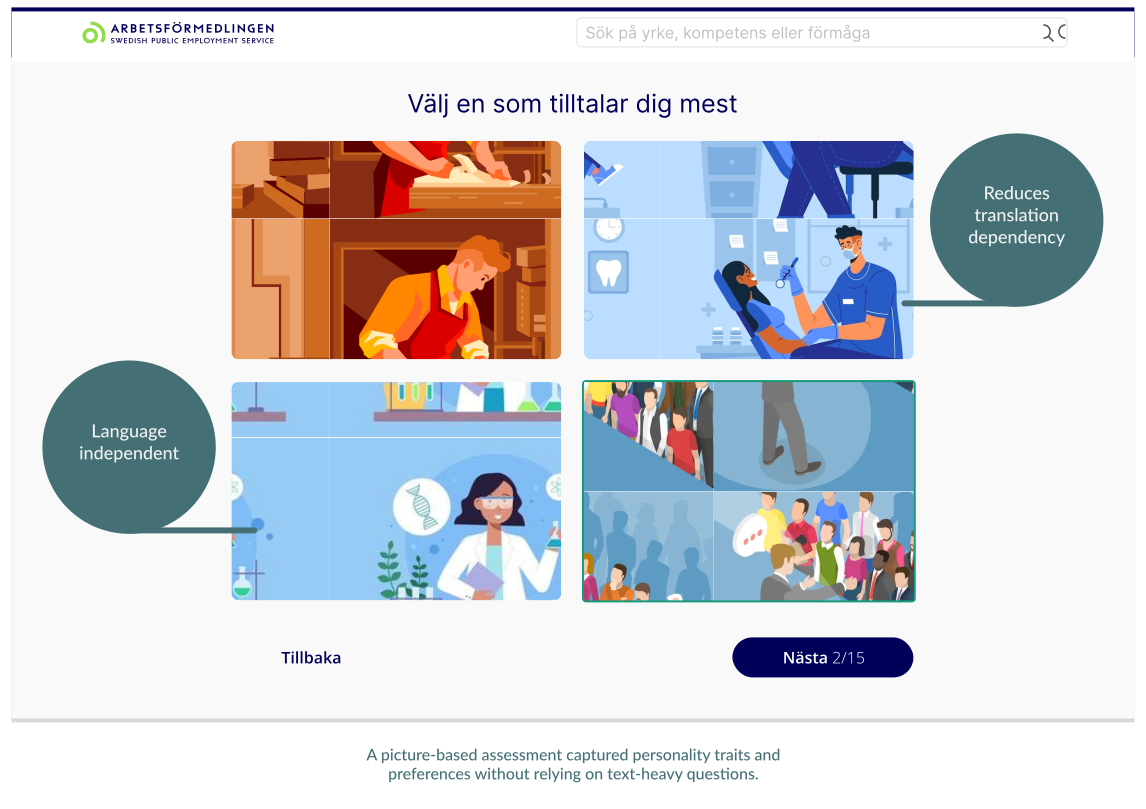
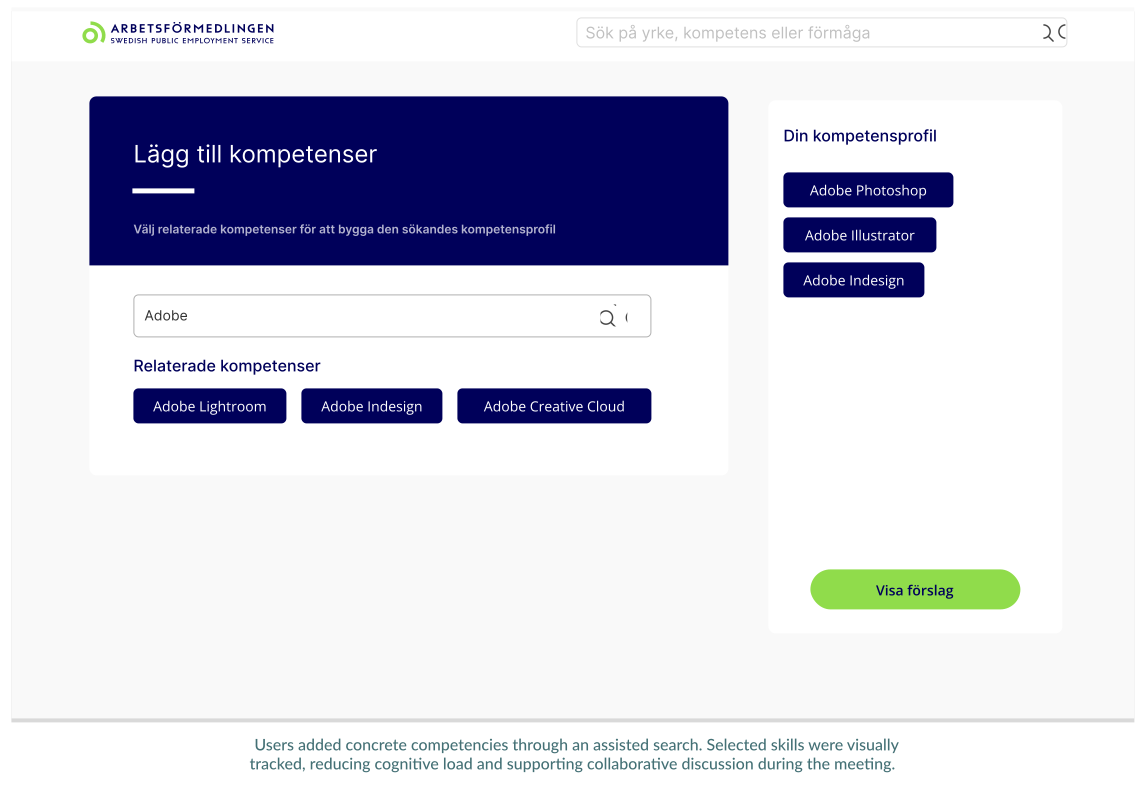
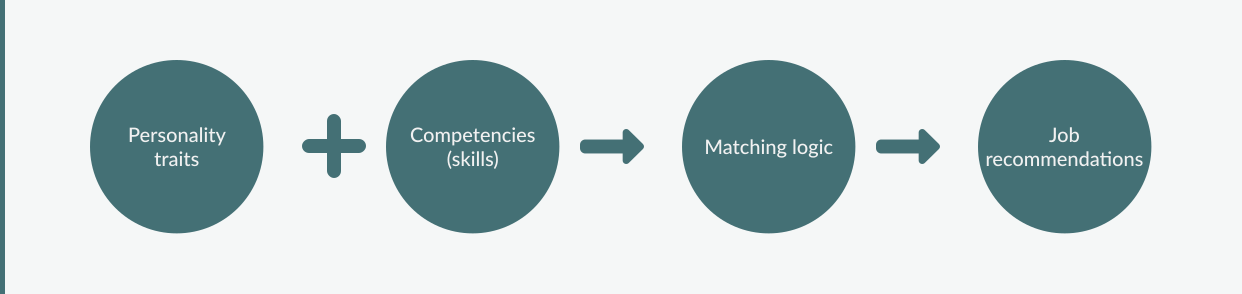
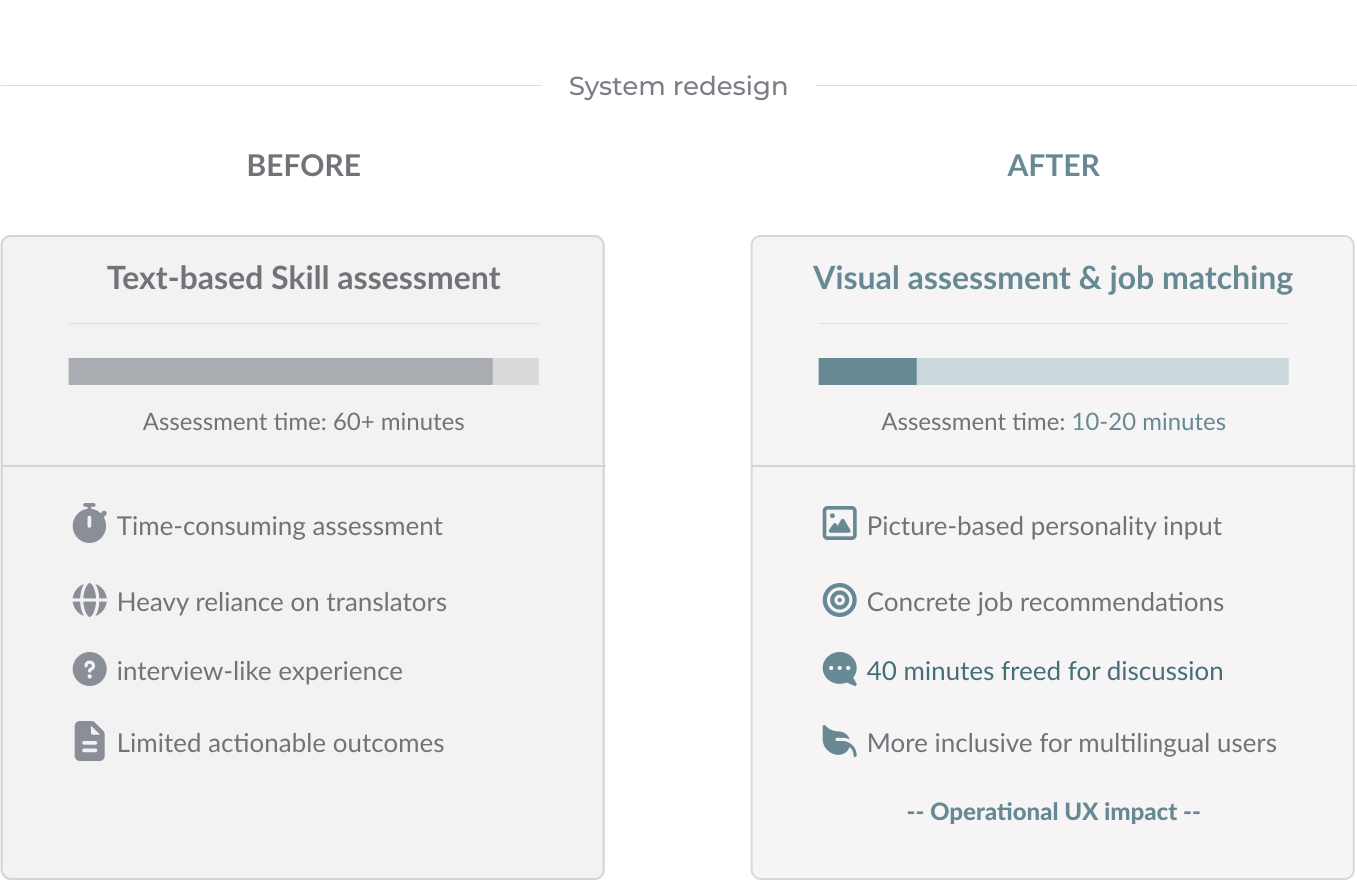
The Swedish Employment Service conducts one-on-one meetings to help jobseekers identify skills, motivations, and realistic job paths. This project focused on redesigning a core assessment tool that consistently exceeded time limits and depended heavily on translators — limiting both efficiency and meaningful dialogue.
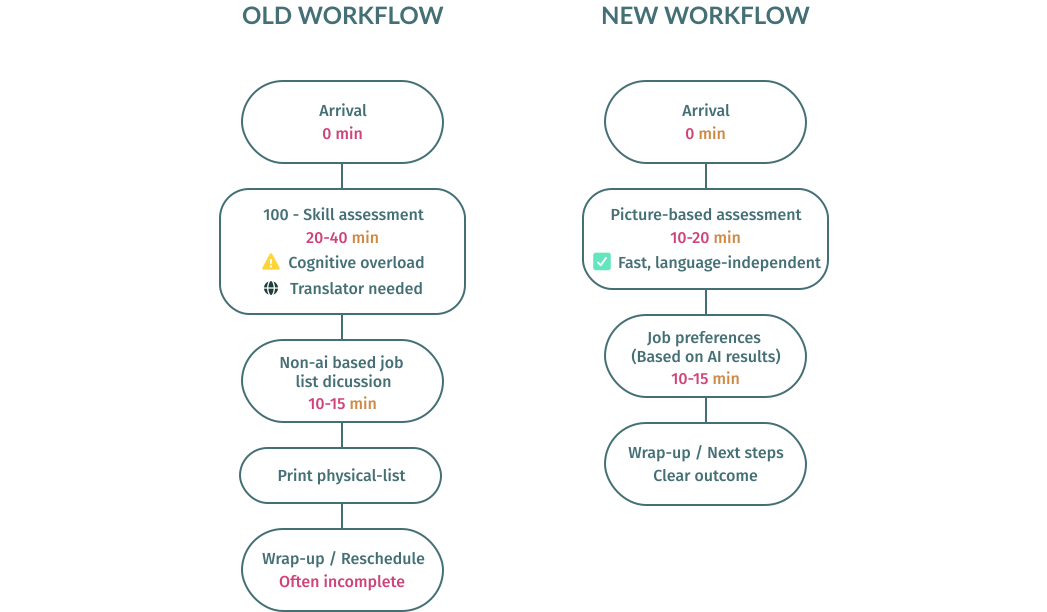
How might we reduce cognitive load and translation dependency while still producing actionable insights — all within a strictly limited one-hour meeting?
The core issue was not what we were measuring, but how we asked people to express themselves. Text-heavy self-assessments created friction, bias, and inefficiency — especially in multilingual contexts.